
THE JOURNAL
Made in USA
THE JOURNAL
THE JOURNAL-collaborations-American Riders
THE JOURNAL-STORIES-Men-Twistin' In Your Bucks
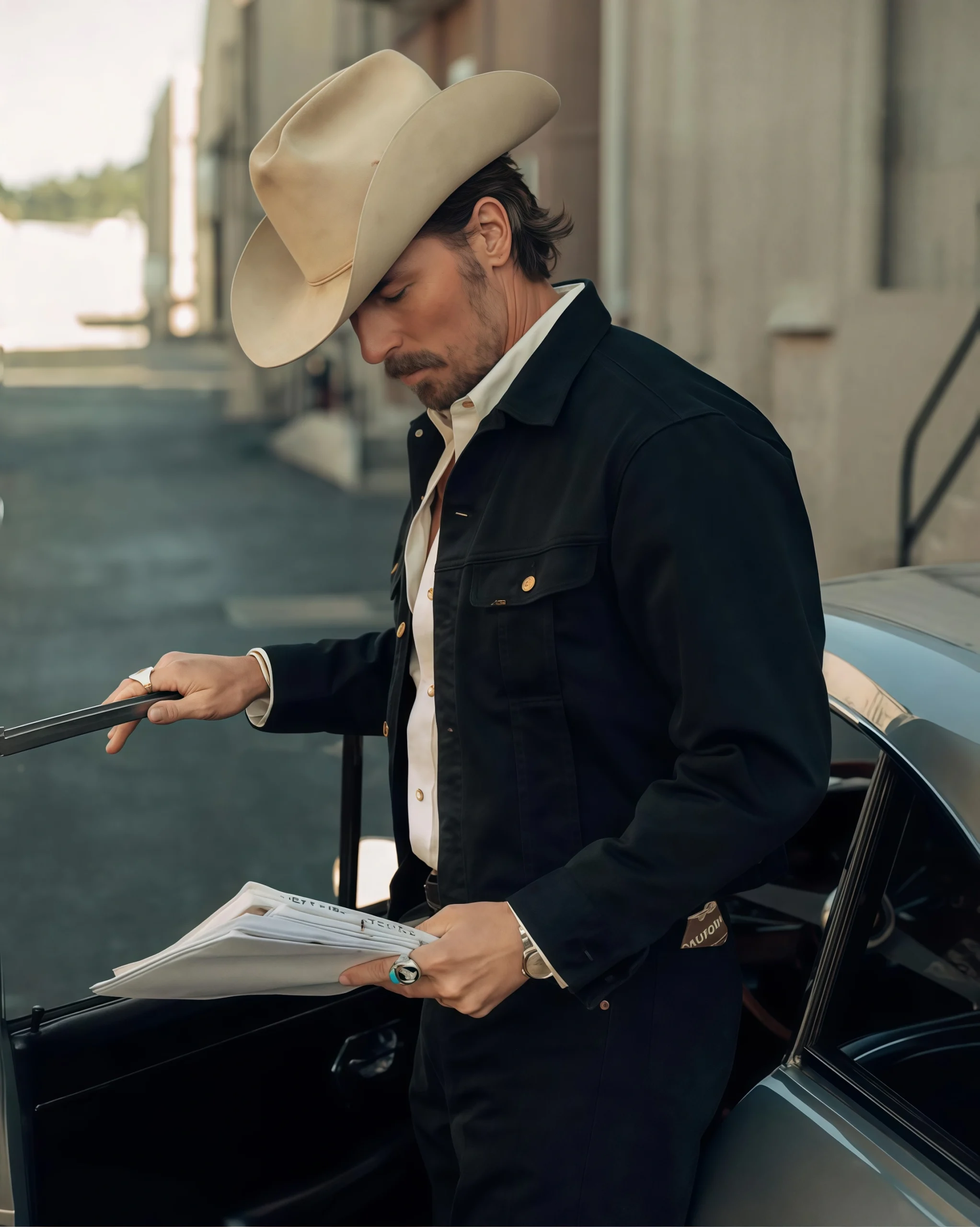
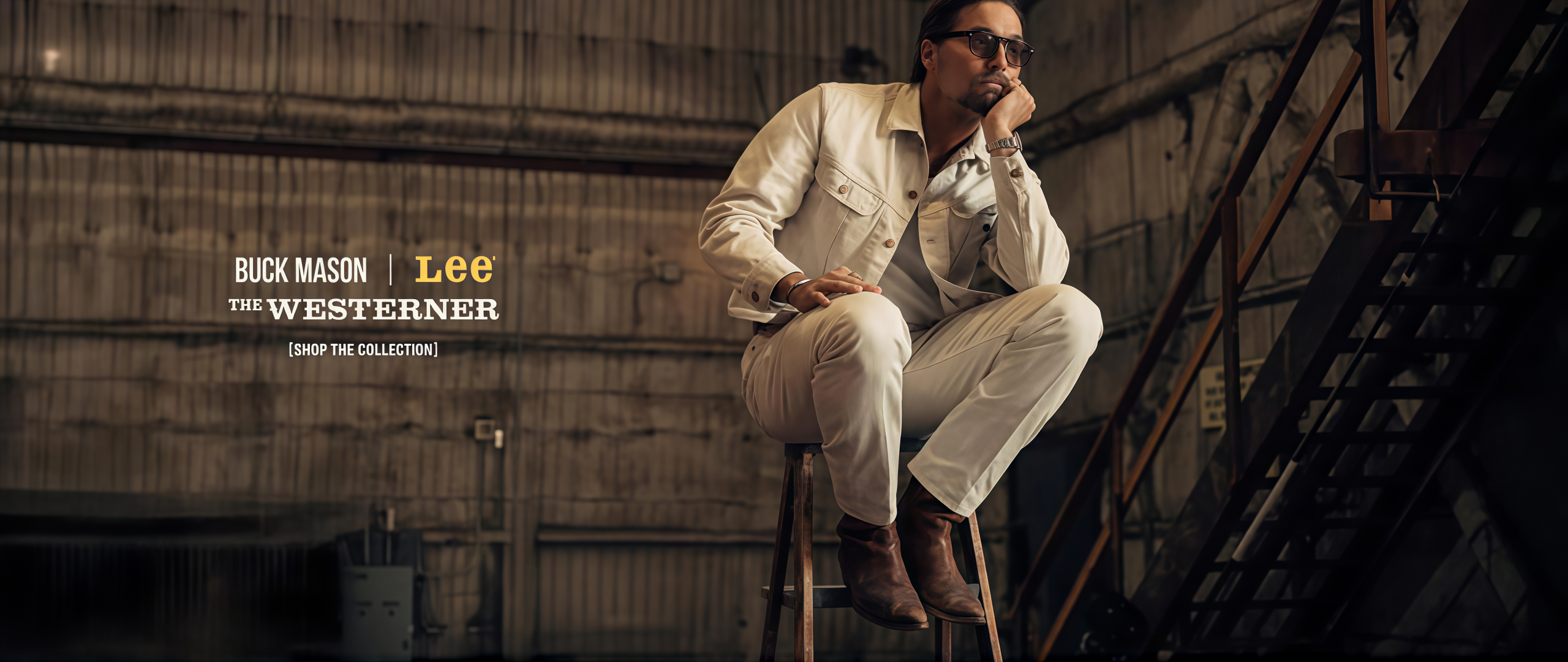
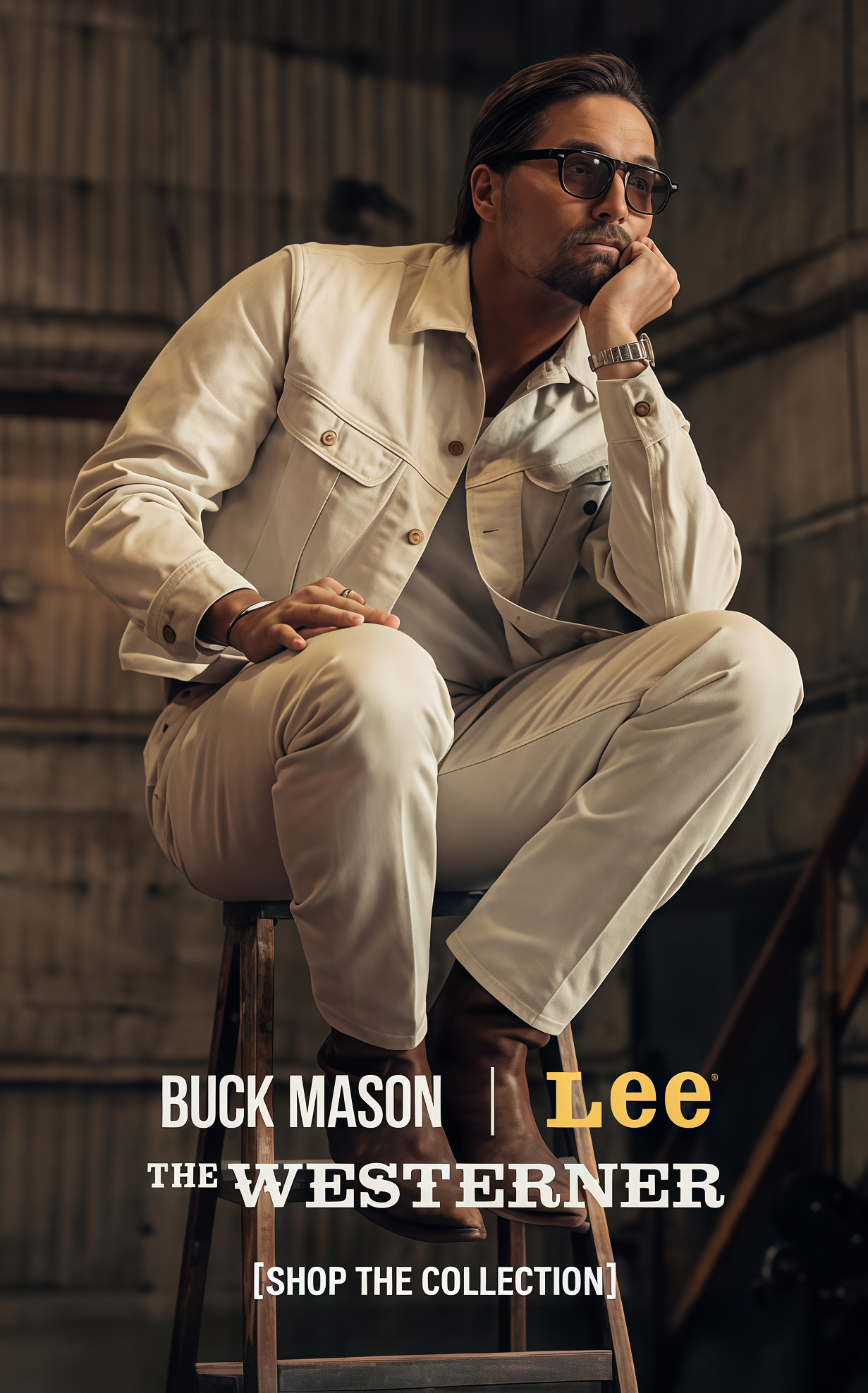
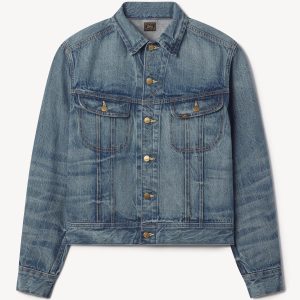
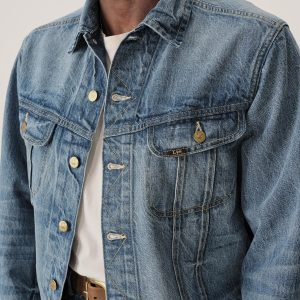
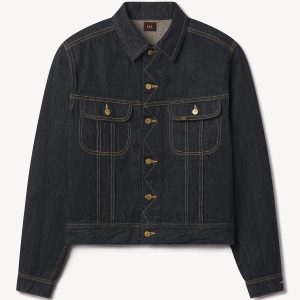
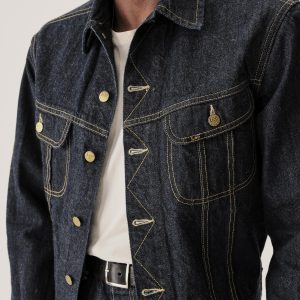
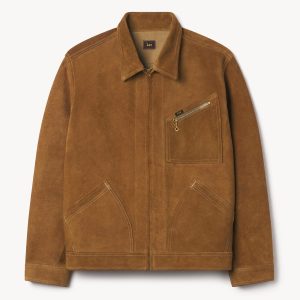
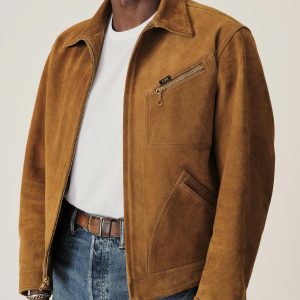
Lee x Buck Mason Westerner Jacket
The return of Lee’s iconic Westerner — rebuilt in Japanese sateen with sharp ’60s lines and a lived-in wash.
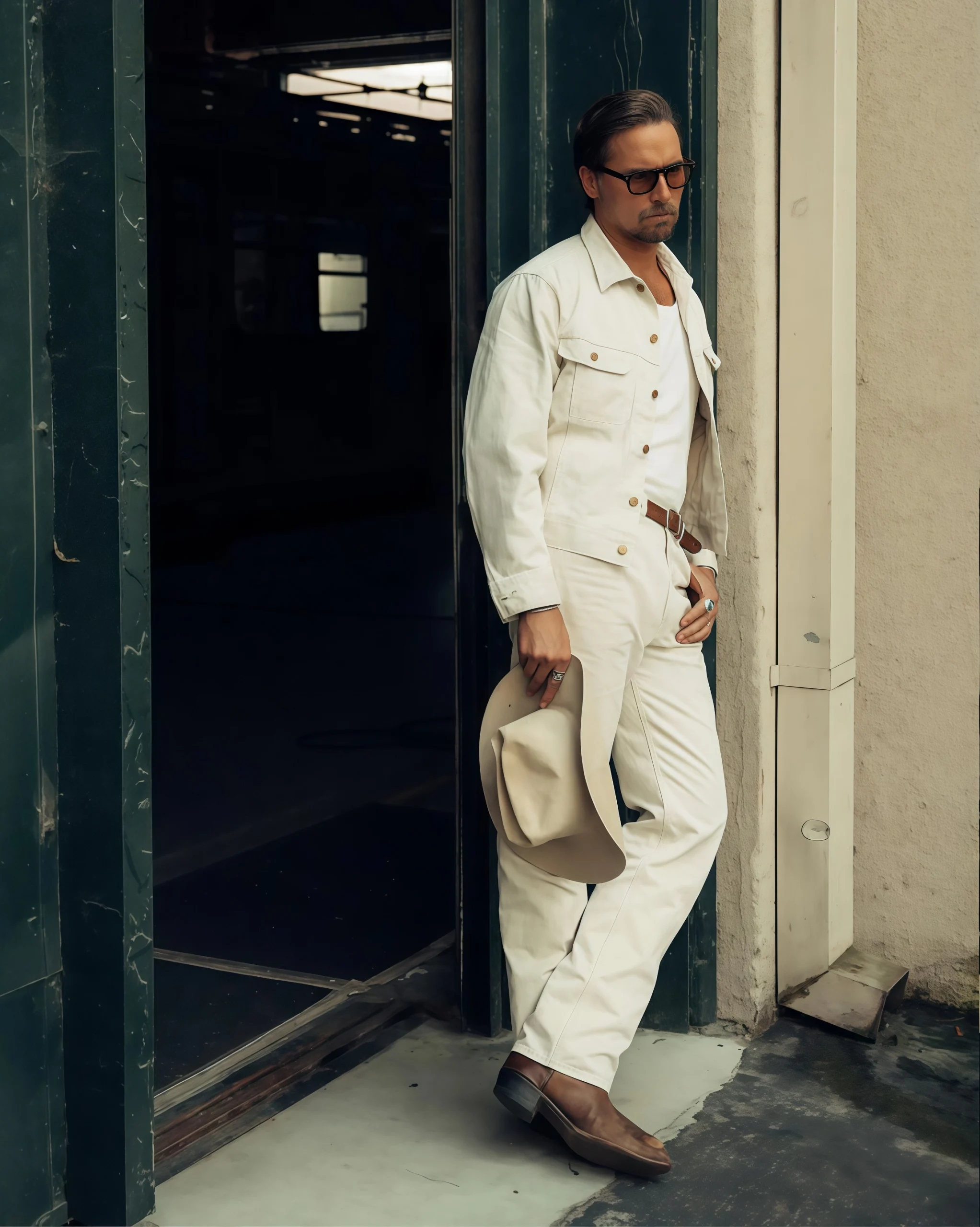
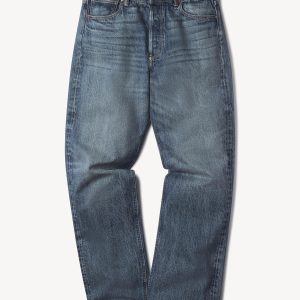
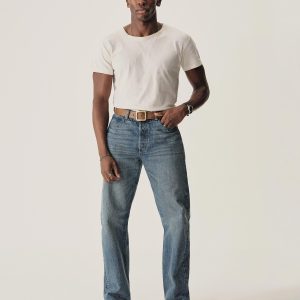
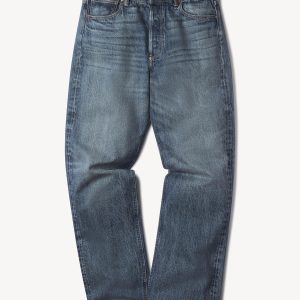
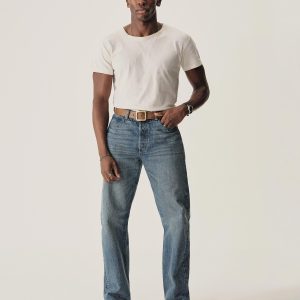
Lee x Buck Mason Westerner Jean
A clean, high-rise cut with western backbone, finished with Lee’s unmistakable midcentury details.
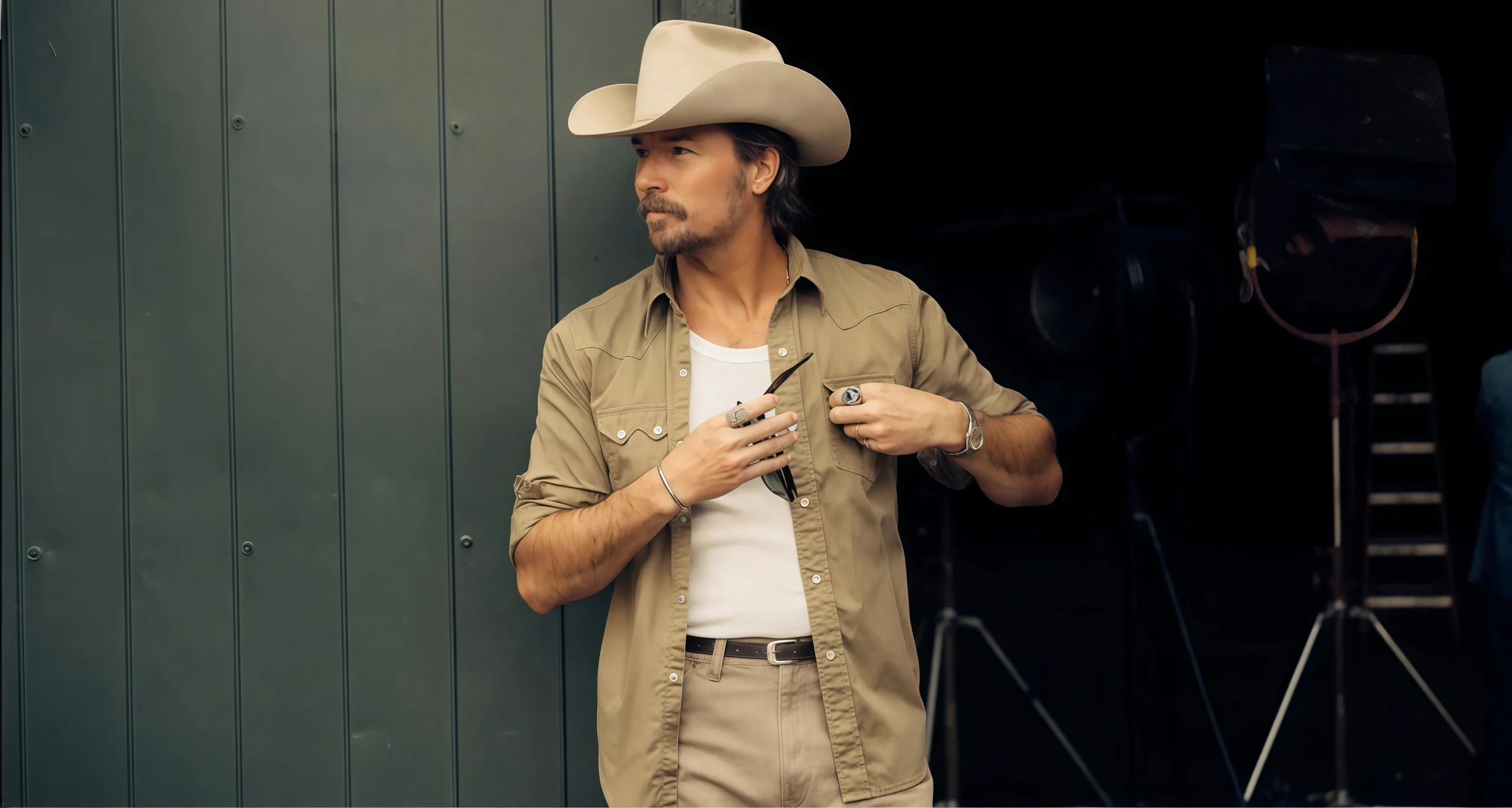
Lee x Buck Mason Westerner Shirt
The classic Lee Westerner shirt, cut with archival sawtooth pockets and a signature sleeve placket.
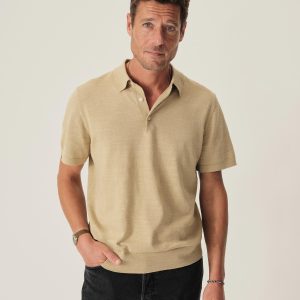
MEN
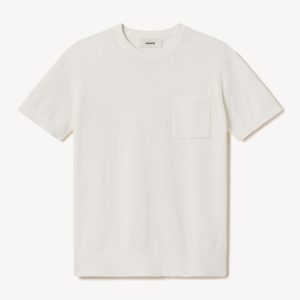
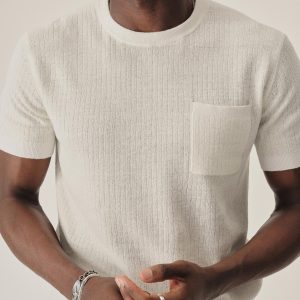
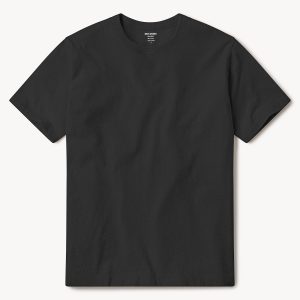
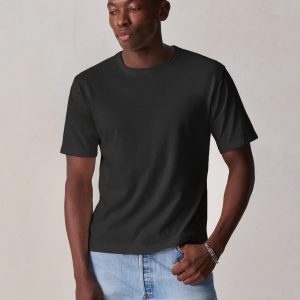
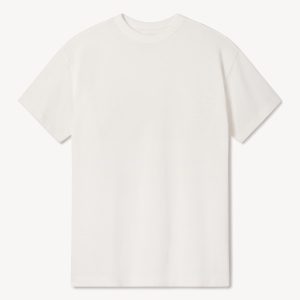
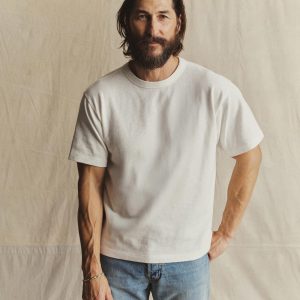
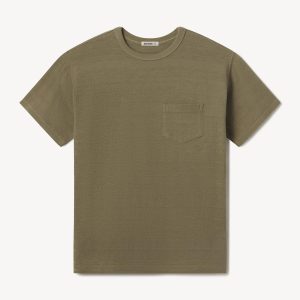
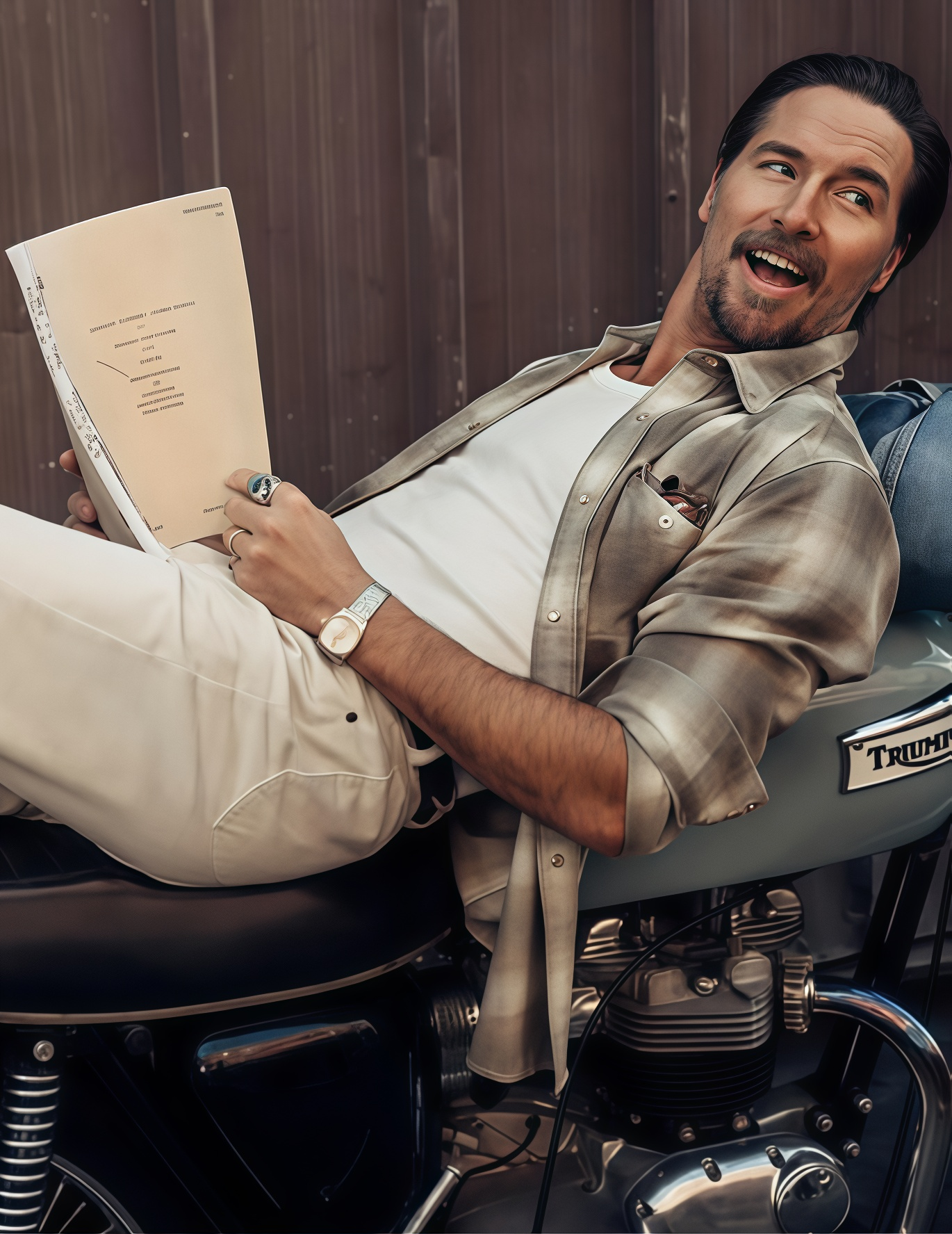
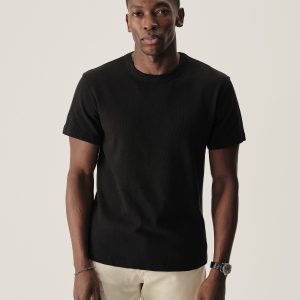
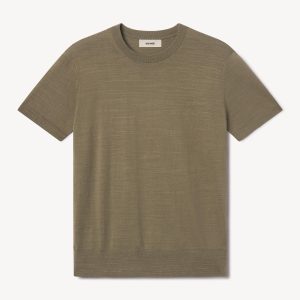
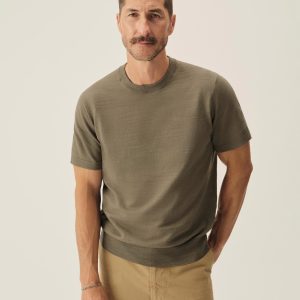
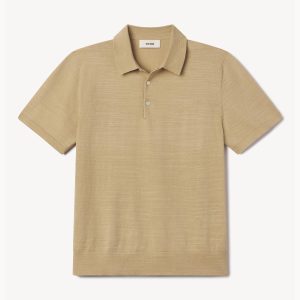
Mastering the Art of Texture and Fabrication
In the world of sophisticated dressing, true mastery lies not just in the colors or the cut of a garment, but in the nuanced interplay of texture and fabrication. These elements are the hidden language of style, adding depth, dimension, and tactile appeal that separates a merely competent outfit from one that is truly compelling and visually rich. While the silhouette provides the structure, the fabric gives the ensemble its soul.
The choice of material profoundly impacts how a garment performs, how it drapes, and how it interacts with light. For instance, a finely woven worsted wool used in tailored trousers offers a smooth, clean finish that reflects light evenly, lending a formal and sharp appearance. Contrast this with a tweed or flannel, both also wool-based, but possessing a napped or rougher surface. This textured finish absorbs light differently, creating a softer, more dimensional look that feels inherently more relaxed and appropriate for cooler temperatures or less formal settings. The shift is not merely aesthetic; it changes the perception of the garment’s purpose.
Understanding the properties of various fabrics is crucial for constructing a cohesive and versatile wardrobe. Cotton, a ubiquitous natural fiber, ranges dramatically in its textural potential—from the crisp, structured hand of poplin used in formal shirts to the soft, resilient stretch of jersey used in foundational layers. When incorporating cotton, one must consider the weave: a basket weave like oxford cloth offers more visual texture and casual appeal than the tightly packed weave of broadcloth. The tactile difference dictates the degree of formality.
Linen, another fundamental warm-weather textile, offers an entirely different textural proposition. Its characteristic slub and tendency to wrinkle are not flaws; they are the very features that give it its relaxed, lived-in elegance. When incorporated into a loose, single-layer jacket or an unstructured shirt, linen immediately introduces an element of effortless sophistication, perfect for environments where formality must yield to comfort.
The art of dressing well involves combining these textures in a way that creates contrast and interest without clashing. A monochromatic outfit, for example, can become incredibly dynamic when contrasting fabrics are used. Imagine a deep charcoal ensemble: the smooth, matte finish of a cashmere sweater, paired with the slight sheen and visible weave of a silk pocket accessory, and anchored by heavy, structured woolen trousers. The lack of color variation is compensated entirely by the rich feel and visual texture of the materials, proving that subtlety can be far more powerful than bold color statements.
Furthermore, the integration of modern, technical fabrics has added another layer to this complexity. Materials engineered for performance, which offer qualities like enhanced water resistance or dynamic temperature regulation, are now frequently blended with natural fibers. This fusion allows for garments that maintain the desirable hand-feel and appearance of natural textiles while gaining practical, contemporary benefits. A blazer constructed from a wool blend containing a small percentage of specialized, durable fiber can retain the elegant drape of wool while being significantly more resistant to creasing during movement or travel.
Ultimately, focusing on fabrication is an investment in longevity and comfort. Higher-quality textiles not only drape better and maintain their shape over time, but they also provide a superior experience when worn. The weight, the movement, and the way a piece feels against the skin all contribute to the overall impression of a well-considered aesthetic. A true appreciation for the tactile quality of clothing elevates the routine of getting dressed into a thoughtful, sensory experience, making texture and fabrication the true hallmarks of an elevated, contemporary wardrobe.